For vloggers
You already shot it. Now find the video in it.
If you shoot first and work out the story later, the hard part is not the edit. It is opening a card with four hours on it and having no idea which twelve minutes are the video. This reads every clip, then tells you what story is actually in there.
- I have so much filmed, but I don’t know where to start.
- Filming took an hour. Editing took four.
- I scrub back and forth for twenty minutes trying to find the one bit I remember.
- I cut it together and it just… does not go anywhere.
How it goes
- 1
Point it at the card
Every clip is transcribed and described on your own machine. Nothing uploads. What you get is footage you can search by what was said and what is on screen, instead of by filename. - 2
It proposes the story
Two or three angles that fit the footage you actually have, each as an ordered beat sheet. Not a summary of your clips: a shape the material can support, with the gaps named. - 3
You find out what is missing before you cut
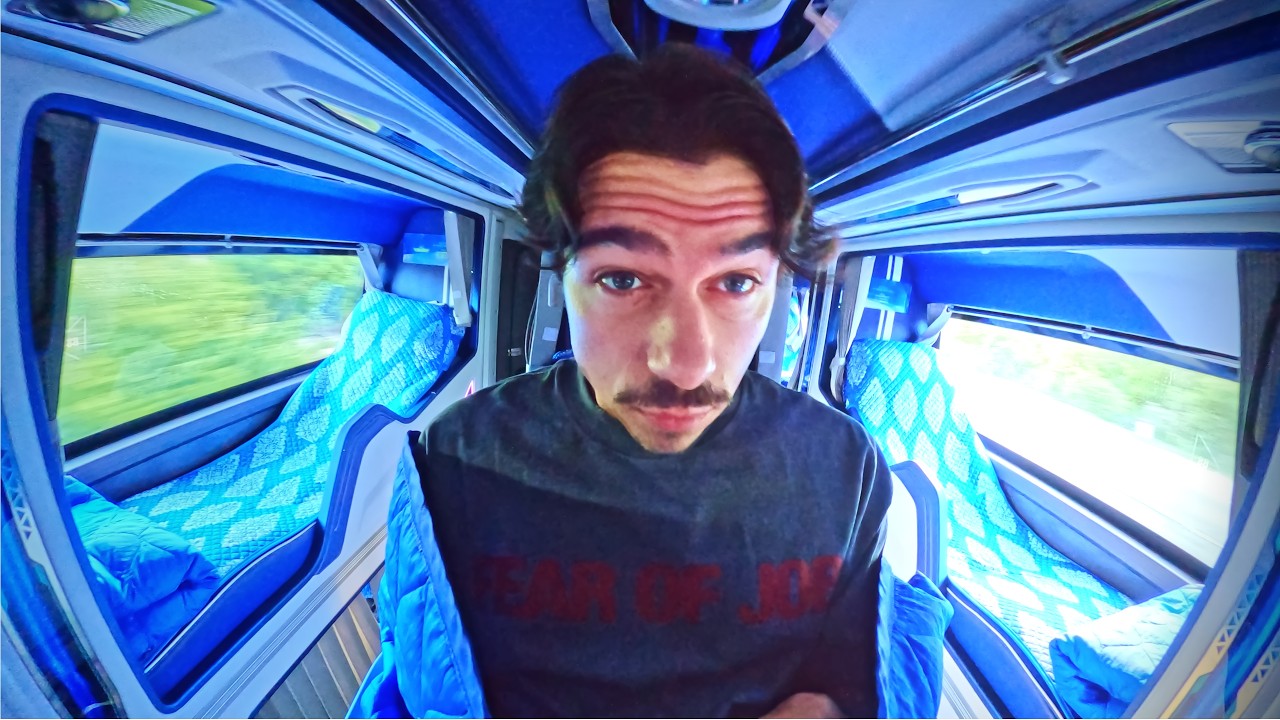
Adopt an angle and it grades the footage against it. Holes surface while a pickup still costs twenty minutes, instead of on day three of the edit when they cost you the video. On the sleeper-bus video, mined out of 71 unplanned clips, the check came back withbeat 6 (the cafe redemption) is missing, and the bus-misery middle runs long
before anyone had watched the cut. The retention pass months later flagged the same three things, having never seen the verdict. Both passes, side by side.
A video that went exactly this way
Both of these were shot with no plan behind them. On the sleeper-bus video the footage predates the story by nine days; on the tech-hub one, by a month. The tech-hub page is blunt about it: the first clip landed on 25 June and the project did not exist until 23 July, so the eight-beat argument that became the video was found in 128 clips already shot for no particular story. The case studies show the spine that came out, the verdict before publishing, and what happened next.

Questions
Does my footage get uploaded anywhere?
No. Transcription and frame extraction run on your own machine. Only lightweight derived text (a transcript line, a beat, a shot description) is sent to whichever AI model you picked, and never the video or the audio itself.
Will it edit the video for me?
No, and that is deliberate. It never applies a cut. You get a spine, a searchable index of your footage, and a handoff your editor can open. The edit stays yours.
How much footage can it handle?
The case studies on this site run from 71 clips to 203. It is built for the pile you actually come back with, not a tidy folder of ten selects.
I shoot on multiple cameras. Does that matter?
No. Clips are indexed by what is in them, not by which camera wrote the file, so a phone clip and an A-cam clip sit in the same searchable pile.
If you script tightly and shoot to a list, the other door fits you better: writing it first, then checking you got it. Same app, different way in.
Try it on the footage you already have.
Start 7 days free →