Aug 20, 2026 · by Baptiste, founder of Vanpelt Studio
How to organize YouTube footage before you edit (a system for solo creators)
Every solo creator has the folder. It’s called NEW VIDEO 3 or aug shoot FINAL, it contains four hundred clips named C0847.MP4, and opening it is the worst part of making videos, because before you can edit anything, you have to find everything, and nothing in that folder tells you what it is, which take was good, or what any clip was for.
Professional productions solve this with a person: a DIT or an assistant editor whose whole job is wrangling media. You don’t have one. What you can have is a system light enough to actually run solo, and that’s what this is: how to sort your footage, the four layers of going from a full card to an edit-ready library, in the order they pay off.
Layer 1: the offload ritual
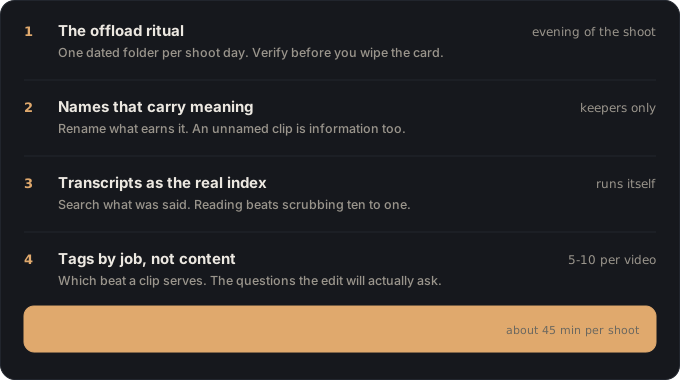
Organization dies when it’s optional, so make the offload a fixed ritual: the card gets emptied the same way, into the same structure, the evening of the shoot, while you still remember what everything is. A structure that survives contact with real life:
/Footage
 /2026-08-19-workbench-restore
 /a-roll
 /b-roll
 /pickups
 notes.md
One folder per shoot day, date-first so it sorts itself, a human word or two so future-you knows what it was. Cheap now, priceless in six months. Two non-negotiables while the card copies: verify before you wipe (never format the card until the copy is confirmed (count files, not vibes), and never touch the originals again) everything downstream works on copies, so no rename or re-edit can cost you the source.
Layer 2: names that carry meaning
You will never rename four hundred clips by hand, so don’t try. Rename only what earns it: the keepers. When you review footage (that’s layer 3), the clips that matter get names that answer “what is this and is it good”: beam-doesnt-fit_take2_GOOD.mp4 beats C0847.MP4 forever. A clip you didn’t bother renaming is itself information. It didn’t earn a name.
Layer 3: transcripts are the real index
Here’s the unlock most creators miss: for any video where people talk, the transcript is a better index than any folder structure. You don’t remember footage visually. You remember what was said. “The take where I admitted the budget was gone” is findable in text in seconds; scrubbing for it at 1.5x takes an evening.
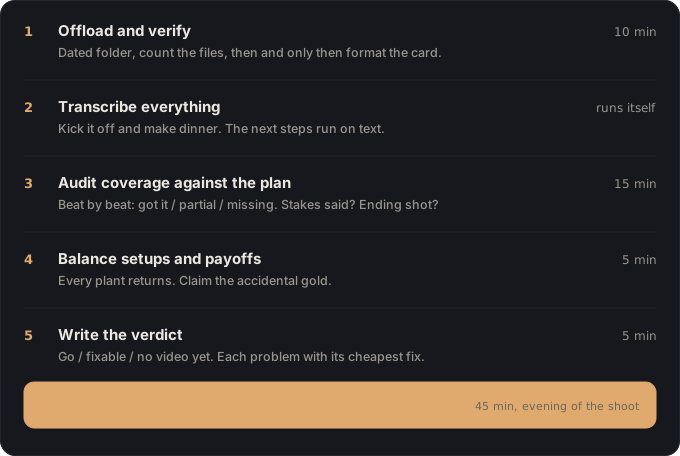
So transcribe everything as part of the offload ritual (local tools make this free now) and search text, not timelines. Reading is roughly ten times faster than scrubbing, and it changes what’s possible: you can go through hours of footage in half an hour, audit the shoot’s coverage, find the accidental one-liners worth promoting to setups, and spot the beat nothing on the card covers, while a pickup still costs twenty minutes instead of a reshoot.
This is also the fast way to do what professional editors call pulling selects: marking the takes and moments that will actually carry the video. Working editors treat the selects pass as the critical step (“gotta do it or else you’re just guessing the rest of the way”), and doing it from transcripts instead of the timeline is how a solo creator gets through it in an evening instead of a lost weekend.
Layer 4: tag clips by their job, not their content
The folder taxonomy everyone tries first (sorting by location, gear, or subject) fails because it answers questions editing never asks. In the edit you don’t wonder “which clips are from the kitchen”; you wonder “what covers the moment the plan falls apart.” So the tags that matter name the clip’s job in the story: which beat it serves, whether it’s the payoff or the setup, whether it’s the good take. Five to ten beat-tags per video beat forty subject-folders, because they map one-to-one onto the questions the timeline will actually ask.
This is also the moment you find out whether the story is on the card at all: tagging clips against beats is coverage-checking by another name. Half an hour of it the evening after the shoot answers the question that otherwise ambushes you on day three of editing: do I actually have a video?
The system, end to end
The evening of the shoot: offload into the dated structure, verify, transcribe. Then one pass through the transcripts with the beat sheet open: rename keepers, tag by beat, note the holes. Thirty to forty-five minutes total, and the payoffs compound: the edit starts from a labeled, searchable, story-checked library instead of an archaeology dig; pickups get caught while they’re cheap; and six months later, 2026-08-19-workbench-restore still tells you exactly what’s inside.
This workflow: owned copies, transcripts as the index, clips tagged against the plan, a coverage verdict before the edit, is precisely what Vanpelt Studio automates for solo creators: import the card and it transcribes, indexes, and checks the footage against your beat sheet, so the thirty-minute ritual becomes a five-minute read. But run it manually first if you like; the system is the point.