Docs Story
The spine: what this video is, beat by beat
A video is not a topic, it is an order of events. This turns a rough idea into the ordered beats it needs, each one carrying an intent rather than a heading.
The problem it solves
Most videos are decided twice: once badly before the shoot, and again properly in the edit, when changing your mind is expensive. The blank document is the reason. It asks you to write a script when what you need first is a shape.
What it needs first
- Nothing. This is where a plan-first project starts, and an empty spine is the normal opening state.
- Your channel brand, if you have filled it in. Audience, tone and the never-do list are sent as context, so proposed beats sound like your channel rather than a generic one.
How it works
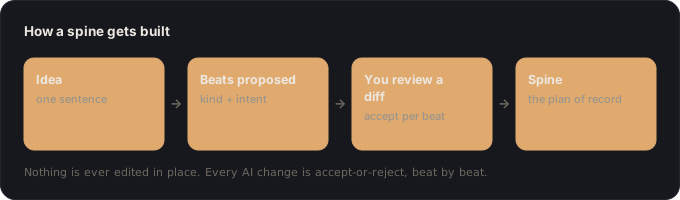
- 1 Start from a rough ideaA sentence is enough. The chat works it into a premise and a promise before any structure exists, because a spine built on an unclear promise just organises the wrong video.
- 2 Get an ordered beat sheetEach beat carries an intent: what it is for, not just what happens in it. That intent is what the coverage check and the verdict later grade against.
- 3 Edit it like a documentReorder, rewrite, drop, and add beats directly. Targeted operations change one beat without regenerating the rest, so the parts you liked stay put.
What you get back
- An ordered beat sheet
- Each beat holds a position, a short name and an intent: the job that beat does, not the words you will say.
- kind
- One of six: hook, setup, payoff, cta, transition, other. It is what the later checks read to know which beats carry the promise.
- A reviewable diff
- The AI never edits your spine in place. Proposals arrive as an accept-or-reject diff, beat by beat, so you can take two of five changes.
What it will not do
- It does not write your script. A beat states intent; the words come later, in Script.
- It will not silently restructure work you have done. Every AI change is a diff you approve.
- Only text is involved at this stage. No footage exists yet in a plan-first project.
What it buys you
- The structural decisions happen when they are cheap, before the shoot rather than during the edit.
- Every downstream check has something concrete to grade against.
- Beat intent survives into the shoot, so you know why you are filming a shot and not only that you should.
Under the hood
The spine is the object the rest of the app is built around. The shot list is generated from the beats rather than kept beside them, the coverage check reads footage against beat intent, and the verdict grades whether the footage pays off the promise the beats set. That is why editing a beat updates what gets checked, instead of leaving a stale copy somewhere.
On a real video
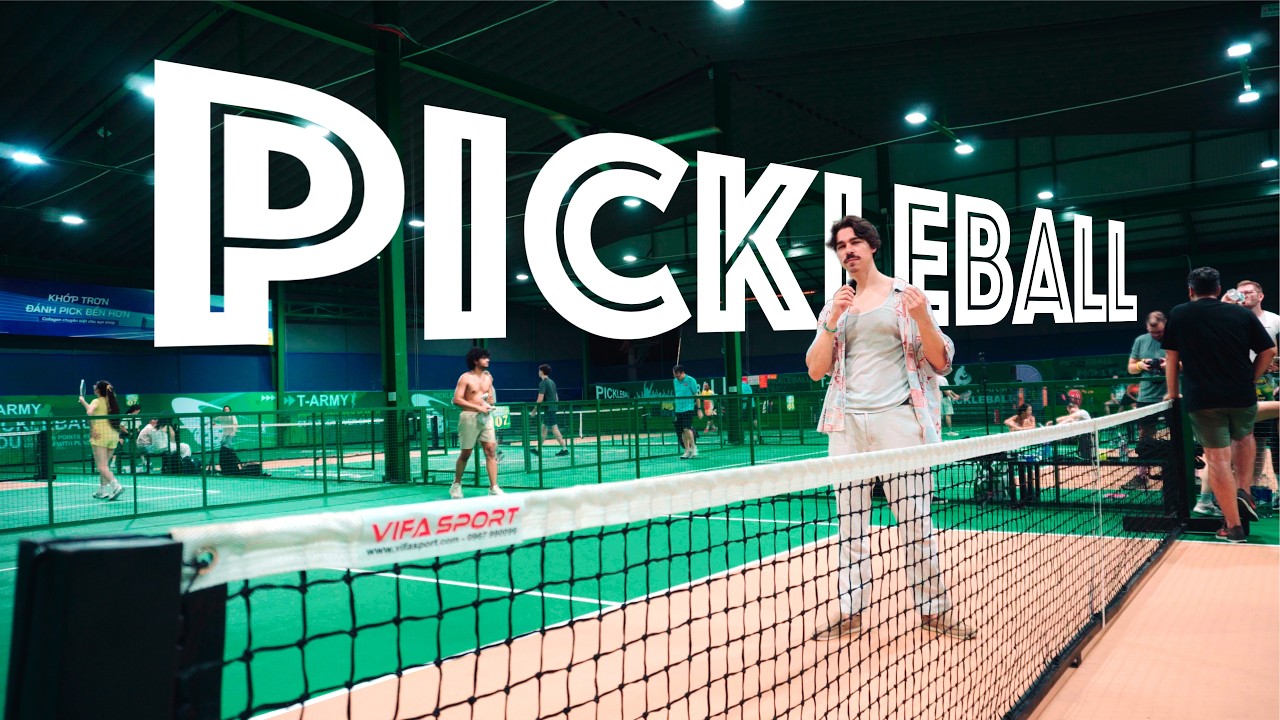 The New Entrepreneurs' Obsession Read the case study →
 Questions
Do I have to plan before shooting?
No. If you shoot first, the story miner proposes angles from the footage you already have and you adopt one into the spine. Same object, different way in.
Will it write the video for me?
It drafts, you decide. The beats are editable text, and targeted operations exist precisely so you can change one thing without accepting a wholesale rewrite.
How long are the beats?
As long as the intent needs. A hook beat is often one line, a payoff beat can carry a paragraph. It is a shape, not a word count.
Story is one lens of Vanpelt Studio.